
Digestive health plays an important role in your dog’s overall wellbeing, yet many owners still ask: what is the best probiotic for dogs, and how do you know if your dog actually needs one? This guide explains what to look for in a quality probiotic supplement, and how the right choice can help support a balanced, healthy gut.
| Key Takeaways
Explore our full range of digestive supplements and probiotics for dogs to support your dog’s gut. |
Signs Your Dog Needs Probiotics - Preventative vs Reactive Care
One of the most common questions owners ask is whether their dog really needs a probiotic. While many supplements are used reactively to help dogs already having issues, they can also be highly effective as part of a long-term preventative strategy.
Additional digestive support may be beneficial for dogs:
- Prone to scavenging (who develop loose stools after eating things they find on walks)
-
With consistently soft stools (even if they are otherwise well)
-
With recurrent anal gland issues (where firmer stools can help natural emptying)
-
Prone to stress (boarding, travel, routine changes, fireworks)
-
With a history of mild digestive sensitivity
Probiotics are also often used reactively to support an existing digestive upset, including:
- Sudden diarrhoea or tummy upsets
-
Digestive issues during or after antibiotic treatment
-
Recurrent loose stools
-
Vet-confirmed digestive conditions (alongside veterinary advice)
Note: If symptoms are persistent, severe, or accompanied by lethargy or blood in the stool, consult your vet promptly.

The Best Probiotics for Dogs
The best probiotic for your dog depends on what signs your pet experiences. VioVet vet, Dr Nicholas Garside BVetMed MRCVS, recommends the following:
- For short-term episodes (such as after scavenging/eating something they shouldn’t have) - pastes with stool firmers
-
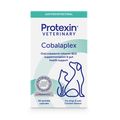
For long-term intestinal support - powders with cobalamin (vitamin B12) and pre/probiotics
-
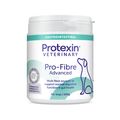
For help with stool consistency and supporting normal emptying of the anal glands - supplements containing fibre
You can implement these into your dog’s routine in a few different forms, depending on what they enjoy and what best fits their life and personality.
1. Pastes
Probiotic pastes are commonly used for short-term digestive support, particularly when a dog is experiencing diarrhoea or a sudden stomach upset.
They are fast-acting and easy to administer directly into your dog’s mouth or mixed with food, making them a popular choice for dogs reluctant to take tablets or powders.
Recommended Products:
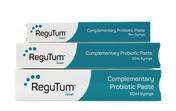
- ReguTum™ Probiotic Paste - a tasty paste, combining enterococcus faecium, prebiotics and bentonite clay to restore gut bacteria and firm stools.
-
Protexin Pro-Kolin - a fast-acting digestive paste with a unique kaolin-based binding formula, designed to stabilise gut balance and ease digestive upset.
-
Protexin Pro-Kolin Advanced - a multi-action gut support paste combining probiotics, fibre and immune-supporting ingredients to restore digestive balance, firm stools, and actively support gut and immune health.

Customer review for ReguTum™ Probiotic Paste
2. Powders
Probiotic powders can be sprinkled over food or added to water, they can be used in the short term but are often better suited to long-term support.
Powders containing cobalamin (Vitamin B12) alongside pre/probiotics are great for long-term support. If you’re looking to support the body’s natural emptying of the anal glands, then products with fibre are beneficial.
Recommended Products:
- ReguTum™ Gastrointestinal Powder - concentrated gut support powder with probiotics, prebiotics, diosmectite and B12 to balance digestion and maintain healthy stools.
3. Chews
Digestive chews are a convenient way to support your dog’s gut health. Designed to resemble treats, these can easily be incorporated into your dog’s diet, and are especially useful for dogs that are fussy with what they eat.
Recommended Products:
- NaturVet Advanced Digestive Probiotics - hypoallergenic soft chews with prebiotics, probiotics, and linseed fibre, designed to support gut health, regulate bowel movements, and aid nutrient absorption.
-
Zesty Paws Probiotic Chews - pumpkin-flavoured chews combining probiotics and prebiotics to support gut microbiome balance, digestive function, and immune health, with a tasty natural pumpkin base dogs enjoy.
-
CVet NutriCareVet Intestinal Support - fast-acting chews with over a billion CFU of Enterococcus faecium, psyllium, digestive enzymes, and essential B vitamins, specifically formulated to support dogs with sensitive stomachs.
Look After Your Dog’s Digestion
Digestive supplements are a proactive way to support your dog’s gut health and overall wellbeing. Whether used preventatively to maintain balance or reactively during short-term digestive upsets, the right support combined with a balanced diet and veterinary guidance can make a real difference.
Explore our complete range of dog digestive supplements, designed to support dogs at every life stage.

FAQs about Probiotics
Are probiotics good for dogs
The intestinal system has what we call a ‘microbiome’, a natural population of bacteria and yeast within it that support healthy digestion. A probiotic is a live bacteria or yeast that when given, helps restore and support your dog’s natural ‘microbiome’. A healthy microbiome results in normal gut function and stool consistency. So yes, probiotics are good for dogs if the microbiome is upset in any way.
Can dogs eat probiotic yogurt
It is recommended to only give dog friendly products to dogs, as human products can contain ingredients that are safe for humans but toxic to dogs. Probiotics for dogs tend to come in paste or powder form.
Should I give my dog probiotics every day
The average healthy dog should not need probiotic support daily. However, if your pet experiences the occasional digestive upset (e.g. diarrhoea) or has consistently soft stools, then a daily probiotic can be a safe and helpful support.
Can dogs have human probiotics
It is recommended to only give dog friendly products to dogs, as human products have different doses and can contain ingredients that are safe for humans but toxic to dogs.
Written by: VioVet